In the realm of urban forestry and safety management, tree risk assessment plays a crucial role in ensuring the health and safety of both trees and the communities that surround them. This process involves evaluating the condition of trees to identify potential hazards they may pose, such as falling branches or entire trees that could lead to property damage or personal injury. Understanding what constitutes a tree risk assessment is essential for anyone involved in landscape management, municipal planning, or environmental conservation. The significance of tree risk assessment cannot be overstated. As urban areas continue to expand, the interaction between human activity and natural environments becomes increasingly complex.
Trees provide numerous benefits, including shade, aesthetic value, and improved air quality; however, they can also present risks if not properly managed. Conducting thorough assessments allows professionals to make informed decisions about tree maintenance, removal, or preservation, ultimately contributing to safer public spaces and healthier ecosystems. As we delve deeper into the qualifications and training required to conduct effective tree risk assessments, it is important to recognize that this is not merely a technical task but a responsibility that demands a comprehensive understanding of arboriculture, ecology, and risk management principles. The expertise required ensures that assessments are accurate and that the recommendations made are both practical and beneficial for the community at large.
Key Qualifications for Tree Risk Assessors
Conducting a tree risk assessment requires a combination of education, certifications, and practical experience. Below are the key qualifications that aspiring tree risk assessors should consider:- Educational Background: A degree in forestry, arboriculture, horticulture, or a related field is often essential.
This foundational knowledge provides an understanding of tree biology, ecology, and the factors that contribute to tree health and stability.
- Certifications: Obtaining relevant certifications can significantly enhance credibility. The International Society of Arboriculture (ISA) offers a Certified Arborist credential, which demonstrates proficiency in tree care and risk assessment. Additionally, the ISA's Tree Risk Assessment Qualification (TRAQ) is specifically designed for professionals who assess tree risk.
- Practical Experience: Hands-on experience is invaluable. Working under experienced arborists or in roles that involve tree management can provide insights into real-world scenarios.
This experience helps assessors recognize signs of decay, disease, and structural weaknesses in trees.
- Knowledge of Local Regulations: Understanding local laws and regulations regarding tree management is crucial. Tree risk assessors must be aware of any legal implications related to tree removal or preservation.
- Soft Skills: Effective communication skills are necessary for conveying assessment findings to clients or stakeholders. Additionally, critical thinking and problem-solving abilities are essential for evaluating complex situations involving tree health.
Educational Background Required
To effectively conduct a tree risk assessment, a solid educational foundation is essential.Aspiring tree risk assessors typically benefit from degrees in fields such as forestry, horticulture, or environmental science. These programs provide the necessary knowledge about tree biology, ecology, and the various factors that contribute to tree health and stability.Here are some common educational paths for those interested in becoming tree risk assessors:
- Bachelor's Degree in Forestry: This degree focuses on the management and conservation of forested areas, equipping students with skills in tree identification, growth patterns, and ecosystem management.
- Bachelor's Degree in Horticulture: A degree in horticulture emphasizes plant cultivation and care, which is crucial for understanding the health of trees and shrubs in various environments.
- Bachelor's Degree in Environmental Science: This interdisciplinary degree covers a broad range of topics related to environmental health, including soil science, ecology, and sustainability practices that are vital for assessing tree risks.
Engaging with professionals in the field allows aspiring assessors to apply their theoretical knowledge in real-world scenarios, gaining insights into the complexities of tree risk evaluation.In summary, a combination of relevant degrees and certifications, along with practical experience, forms the cornerstone of a successful career in conducting tree risk assessments. This educational background not only prepares individuals to identify potential hazards but also equips them with the skills necessary to recommend appropriate management strategies.
Certifications and Training Programs
Conducting a tree risk assessment requires a solid foundation of knowledge and skills, which can be acquired through various certifications and training programs. These programs are designed to equip tree assessors with the necessary tools to evaluate tree health and safety effectively.- International Society of Arboriculture (ISA) Certification: The ISA offers a well-recognized certification program for arborists, which includes a focus on tree risk assessment. The ISA Certified Arborist credential demonstrates a professional's knowledge in tree care, including risk assessment techniques.
To obtain this certification, candidates must pass an exam that covers various topics, including tree biology, diagnosis, and risk management.
- Tree Risk Assessment Qualification (TRAQ): This specific qualification from the ISA is tailored for professionals who want to specialize in tree risk assessments. The TRAQ program provides in-depth training on how to identify and evaluate tree hazards, assess risk levels, and recommend management strategies. Participants learn to use standardized methods for assessing tree risk, which is crucial for making informed decisions.
- Local and Regional Training Programs: Many local universities and extension services offer training programs focused on arboriculture and tree risk assessment. These programs often include hands-on workshops that allow participants to practice their skills in real-world scenarios.
Engaging with local experts can also provide valuable insights into regional tree species and their specific risks.
- Continuing Education: For certified arborists, ongoing education is essential to stay updated on the latest research and techniques in tree risk assessment. Many organizations offer webinars, workshops, and conferences that focus on emerging trends in tree care and risk management.
Practical Experience in Tree Risk Assessment
When it comes to conducting a tree risk assessment, practical experience is invaluable. While theoretical knowledge provides a solid foundation, hands-on experience allows assessors to apply their skills in real-world scenarios, enhancing their ability to identify potential hazards and recommend appropriate actions.One of the most effective ways to gain this practical experience is through internships.Many organizations, including local municipalities, non-profits, and private consulting firms, offer internship programs that focus on tree assessment. These programs often provide opportunities to work alongside seasoned professionals, allowing interns to observe and participate in actual assessments. This exposure not only builds confidence but also helps interns develop a keen eye for detail when evaluating tree health and stability.Fieldwork is another critical component of gaining practical experience in tree risk assessment. Engaging in fieldwork allows aspiring assessors to practice their skills in various environments, from urban settings to natural forests.
During these experiences, they can learn how to use specialized tools and equipment, such as resistographs and sonic tomographs, which are essential for assessing internal tree conditions that may not be visible externally.
- Networking Opportunities: Fieldwork often leads to networking opportunities with other professionals in the industry, which can be beneficial for future job prospects.
- Diverse Learning Experiences: Each tree and environment presents unique challenges, allowing assessors to adapt their techniques and broaden their understanding of tree biology and risk factors.
- Real-Time Problem Solving: Practical experience fosters critical thinking and problem-solving skills as assessors learn to make quick decisions based on their observations.
Continuing Education and Professional Development
In the field of tree risk assessment, staying current with the latest methodologies, technologies, and regulations is crucial for professionals. This is where continuing education and professional development play a vital role. Engaging in ongoing training not only enhances skills but also ensures that assessors can provide the most accurate evaluations.Many organizations offer specialized workshops and seminars focused on tree risk assessment.These events often cover a range of topics, including:
- New assessment techniques: Learning about innovative tools and methods for evaluating tree health and stability.
- Regulatory updates: Understanding changes in local, state, and federal regulations that impact tree management practices.
- Case studies: Analyzing real-world scenarios to better understand risk factors and mitigation strategies.
- Networking opportunities: Connecting with other professionals in the field to share insights and experiences.
Common Tools and Technologies Used in Tree Risk Assessment
Conducting a tree risk assessment requires a variety of specialized tools and technologies to ensure accurate evaluations and reliable results. Here are some of the most common tools and technologies used by professionals in the field:- Visual Inspection Tools: Basic tools such as binoculars and hand lenses are essential for examining tree canopies and bark closely.
These tools help assess the overall health of the tree and identify potential hazards.
- Measuring Equipment: Tools like diameter tape, clinometers, and laser rangefinders are crucial for measuring tree height, trunk diameter, and the distance from the tree to potential targets. Accurate measurements are vital for assessing risk levels.
- Soil Testing Kits: Understanding soil conditions is important in a tree risk assessment. Soil testing kits can help determine pH levels, nutrient content, and moisture levels, which all affect tree stability.
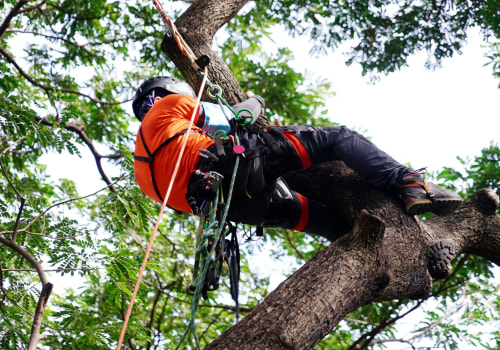
- Arborist Climbing Gear: For more in-depth assessments, arborists may need to climb trees. Equipment such as harnesses, ropes, and climbing spikes allow assessors to safely reach higher branches for a thorough inspection.
- Drones: Increasingly popular in modern assessments, drones equipped with cameras can provide aerial views of trees, helping to identify issues that may not be visible from the ground.
- Tree Risk Assessment Software: Various software programs are available that assist in documenting findings, analyzing data, and generating reports.
These tools enhance the efficiency of the assessment process and improve communication with clients.
Frequently Asked Questions about Tree Risk Assessment Training
When it comes to conducting a tree risk assessment, many individuals have questions regarding the necessary training and qualifications. Here are some of the most frequently asked questions:What qualifications do I need to conduct a tree risk assessment?
To effectively perform a tree risk assessment, it is essential to have a solid understanding of arboriculture, tree biology, and risk management principles. While formal education in forestry or horticulture can be beneficial, it is not always mandatory.Many professionals in this field hold certifications from recognized organizations, such as:
- International Society of Arboriculture (ISA) Certified Arborist
- ISA Tree Risk Assessment Qualification (TRAQ)
- American Society of Consulting Arborists (ASCA) Certified Consulting Arborist
How can I become a certified tree assessor?
Becoming a certified tree assessor typically involves several steps:- Education: Obtain relevant education in arboriculture or a related field.
- Experience: Gain practical experience working with trees and conducting assessments.
- Certification Course: Enroll in a certification course, such as the ISA TRAQ program, which covers the principles of tree risk assessment.
- Examination: Pass the certification exam to demonstrate your knowledge and skills.
Is ongoing education required?
Yes, ongoing education is crucial in the field of tree risk assessment. Many certifying bodies require continuing education units (CEUs) to maintain certification. This ensures that professionals stay updated on the latest research, techniques, and best practices in arboriculture and risk assessment.If you are considering a career in this field, investing time in training and obtaining relevant certifications will not only enhance your skills but also increase your credibility as a tree risk assessor.Conclusion: The Path to Becoming a Qualified Tree Risk Assessor
In conclusion, becoming a qualified tree risk assessor requires a combination of education, practical experience, and ongoing professional development. The journey typically begins with a solid foundation in arboriculture or a related field, where individuals can gain essential knowledge about tree biology, health, and structural integrity.Many aspiring assessors pursue formal education through degree programs in forestry, horticulture, or environmental science.These programs often cover critical topics such as tree identification, pest management, and soil science, which are vital for understanding the factors that contribute to tree risk.In addition to formal education, hands-on experience is crucial. Working under the guidance of experienced professionals allows individuals to apply theoretical knowledge in real-world scenarios. This practical training can include conducting field assessments, learning to use specialized tools, and understanding the nuances of different tree species.Certification is another important step for those looking to establish credibility in the field. Organizations such as the International Society of Arboriculture (ISA) offer certification programs that validate an assessor's skills and knowledge.
Achieving certification often requires passing an exam and demonstrating a commitment to continuing education through workshops and seminars.Finally, staying updated on industry standards and best practices is essential for any tree risk assessor. This can involve participating in professional organizations, attending conferences, and engaging with the latest research in arboriculture. By committing to lifelong learning, assessors can ensure they provide accurate and reliable evaluations of tree risk.In summary, the path to becoming a qualified tree risk assessor is multifaceted, involving education, experience, certification, and ongoing professional development. By following these steps, individuals can effectively contribute to public safety and environmental stewardship through comprehensive tree risk assessments.