Understanding the nuances of tree risk assessment is essential for anyone involved in tree management, whether for urban landscaping, forestry, or personal property maintenance. At its core, tree risk assessment involves evaluating the potential hazards that trees may pose to people, property, and the environment. However, it is crucial to distinguish between a hazard and a risk, as these terms are often used interchangeably but have distinct meanings in the context of tree safety. A hazard refers to a condition or object that has the potential to cause harm. In the case of trees, hazards can include structural defects, disease, or environmental factors such as high winds that may lead to tree failure.
On the other hand, risk is the likelihood that a hazard will actually result in harm or damage. This means that while a tree may present a hazard due to its condition, the actual risk it poses depends on various factors such as its location, proximity to people or structures, and environmental conditions. By conducting a thorough tree risk assessment, arborists and property owners can make informed decisions about tree management. This process not only helps in identifying potential hazards but also in evaluating the associated risks. Understanding these differences is vital for implementing effective safety measures and ensuring that trees remain a valuable asset rather than a liability.
Defining Hazards in Relation to Trees
In the context of trees, a hazard refers to any condition or situation that poses a potential threat to the health and safety of the tree itself, as well as to people, property, and the surrounding environment.Understanding tree hazards is crucial for effective tree risk assessment, as it allows arborists and property owners to identify and mitigate risks before they lead to accidents or damage.
Types of Tree Hazards
- Biological Hazards: These include pests and diseases that can weaken or kill trees. Common examples are the emerald ash borer, which targets ash trees, and root rot fungi that can compromise a tree's stability.
- Environmental Hazards: Factors such as severe weather conditions (high winds, heavy snow, or ice) can create hazards by causing branches to break or uprooting trees entirely. Additionally, soil erosion can undermine a tree's root system.
- Structural Hazards: Trees with structural defects, such as cracks in the trunk or weak branch unions, are at a higher risk of failure. These defects can be exacerbated by environmental stressors.
- Human-Induced Hazards: Activities such as construction, landscaping, or improper pruning can create hazards for trees.
For instance, cutting too many roots during excavation can destabilize a tree.
Understanding Risks Associated with Trees
When discussing tree risk assessment, it is crucial to understand the distinction between a hazard and a risk. A hazard refers to a potential source of harm or adverse effect, while a risk is the likelihood that this harm will occur combined with the severity of the consequences.In the context of trees, a hazard might be a dead branch that could fall, whereas the risk involves evaluating how likely it is to fall and what damage it could cause if it does.Assessing tree risks involves several key factors:
- Tree Condition: The health and structural integrity of the tree play a significant role in determining risk. A tree with extensive decay or disease may pose a higher risk than a healthy one.
- Location: Trees situated near homes, roads, or pedestrian pathways present different levels of risk compared to those in open fields. Proximity to high-traffic areas increases the potential for harm.
- Environmental Factors: Weather conditions, soil stability, and surrounding vegetation can influence both the hazard level and the associated risks. For instance, heavy winds can exacerbate the likelihood of falling branches.
Regular assessments can help identify potential hazards before they become risks, allowing for proactive measures such as pruning or removal. This not only enhances safety but also contributes to the overall health of the urban forest.In summary, while hazards are inherent characteristics of trees that could lead to danger, risks are about evaluating those hazards in terms of their likelihood and potential impact. A thorough tree risk assessment is essential for maintaining safety and ensuring that trees remain an asset rather than a liability.
The Relationship Between Hazards and Risks in Tree Management
In the realm of tree management, understanding the distinction between hazards and risks is crucial for effective risk assessment. A hazard refers to any condition or object that has the potential to cause harm, while a risk is the likelihood that this harm will occur, combined with the severity of the potential consequences.In simpler terms, a hazard is a tree that has a dead branch, and the risk is the chance that this branch will fall and injure someone.To effectively manage trees, it is essential to identify both hazards and risks. This process typically involves several steps:
- Identification: Recognizing potential hazards associated with trees, such as dead limbs, root instability, or proximity to structures.
- Evaluation: Assessing the likelihood of these hazards causing harm. This includes considering factors like tree species, health, and environmental conditions.
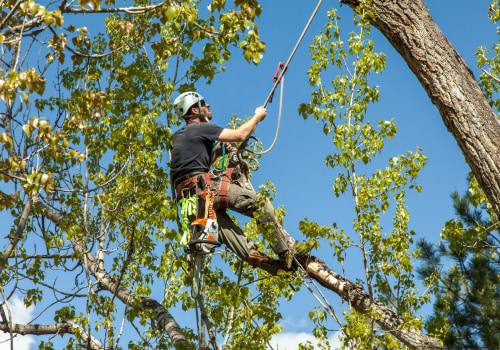
- Mitigation: Implementing strategies to reduce identified risks. This may involve pruning dead branches, cabling weak limbs, or even removing trees that pose significant threats.
A tree that poses a low risk today may become a significant hazard due to changes in weather conditions or its health over time. Therefore, regular tree risk assessments are vital for maintaining safety in urban and rural environments alike.In conclusion, understanding how hazards and risks interact in tree management not only aids in protecting people and property but also promotes healthier ecosystems. By prioritizing both aspects in the risk assessment process, tree managers can make informed decisions that enhance safety and sustainability.
Conducting a Tree Risk Assessment: Key Steps
Conducting a tree risk assessment is essential for ensuring the safety of both people and property. This process involves several key steps that help identify potential hazards associated with trees and evaluate their overall safety.Below are the critical steps involved in a comprehensive tree risk assessment.
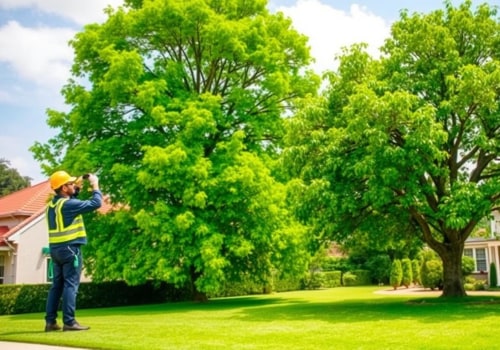
- Initial Observation: Begin by visually inspecting the tree from a distance. Look for any obvious signs of damage, disease, or structural issues. This initial observation helps to determine if a more detailed assessment is necessary.
- Detailed Inspection: Conduct a thorough examination of the tree, focusing on its trunk, branches, and root system. Check for cracks, decay, or any other abnormalities that could indicate a risk.
Use tools such as a mallet to tap the trunk and listen for hollow sounds, which may suggest internal decay.
- Assessing Tree Species: Different species have varying levels of susceptibility to diseases and structural weaknesses. Understanding the specific characteristics of the tree species in question can aid in evaluating its risk level.
- Environmental Factors: Consider external factors that may affect the tree's stability, such as soil conditions, proximity to structures, and weather patterns. Trees in high-wind areas or those with shallow roots may require closer scrutiny.
- Risk Rating: After gathering all relevant information, assign a risk rating based on the likelihood of failure and potential consequences. This rating can help prioritize which trees need immediate attention or removal.
- Documentation: Keep detailed records of your findings, including photographs and notes on the condition of the tree.
This documentation is crucial for future assessments and can assist in making informed decisions about tree management.
Common Tools and Techniques for Tree Risk Assessment
When it comes to tree risk assessment, utilizing the right tools and techniques is essential for accurate evaluations. These assessments help identify potential hazards associated with trees, ensuring safety in urban and rural environments alike.Traditional Tools for Tree Assessment
- Visual Inspection: This is the most fundamental method, where arborists examine trees for signs of decay, structural weaknesses, or other visible issues.
- Increment Borer: This tool allows professionals to extract a core sample from the tree, helping assess its internal health and age.
- Measuring Tapes and Calipers: These are used to measure the diameter and height of trees, which are critical factors in determining their overall health and risk level.
Advanced Techniques in Tree Risk Assessment
- Load Testing: This technique involves applying a controlled load to a tree to evaluate its structural integrity under stress.
- Resistograph: A specialized tool that measures the density of wood within a tree, helping to identify areas of decay that may not be visible externally.
The Role of Technology
Advancements in technology have significantly enhanced the accuracy of tree risk assessments. Tools such as drones equipped with high-resolution cameras can provide aerial views of tree canopies, allowing for a comprehensive assessment without the need for climbing. Additionally, 3D modeling software can simulate how trees will respond to environmental stresses, providing valuable insights into their future stability.Furthermore, mobile applications designed for arborists can streamline data collection and analysis, making it easier to document findings and share them with clients or stakeholders.These technological innovations not only improve the efficiency of assessments but also contribute to more informed decision-making regarding tree management and safety.
Frequently Asked Questions about Tree Hazards and Risks
Understanding the nuances between tree hazards and risks is crucial for effective tree risk assessment. Here are some frequently asked questions that can help clarify these concepts:- What is a tree hazard? A tree hazard refers to any condition or feature of a tree that has the potential to cause harm. This can include dead branches, structural weaknesses, or diseases that compromise the tree's integrity.
- What constitutes a tree risk? A tree risk is the likelihood that a hazard will result in an actual incident, such as a branch falling and causing injury or property damage. It combines the presence of hazards with the probability of an adverse event occurring.
- How is a tree risk assessment conducted? A tree risk assessment typically involves a visual inspection by a certified arborist who evaluates the tree's health, structure, and surrounding environment.
Factors such as location, species, and weather conditions are also considered.
- Why is it important to assess tree risks? Regular assessments help identify potential hazards before they lead to accidents. This proactive approach not only enhances safety but also aids in maintaining the health of the trees and surrounding landscapes.
- Can tree hazards be mitigated? Yes, many tree hazards can be managed through proper maintenance practices such as pruning, cabling, or even removal if necessary. Engaging with professionals for regular assessments ensures that any risks are addressed promptly.
Conclusion: Key Takeaways on Tree Hazards and Risks
In summary, understanding the distinction between hazards and risks in relation to trees is crucial for effective tree management and safety. A hazard refers to any condition or object that has the potential to cause harm, while risk is the likelihood of that harm occurring combined with the severity of the potential consequences.When conducting a tree risk assessment, it is essential to identify both hazards and risks to make informed decisions about tree care and maintenance.Here are some key takeaways:
- Hazard Identification: Recognizing hazardous conditions, such as dead branches, root instability, or proximity to structures, is the first step in managing tree safety.
- Risk Evaluation: Assessing the risk involves evaluating how likely it is that a hazard will lead to an incident and the potential impact of such an incident on people, property, and the environment.
- Management Strategies: Effective management strategies should focus on mitigating identified risks through regular inspections, pruning, or even removal of hazardous trees when necessary.
- Ongoing Monitoring: Tree conditions can change over time due to environmental factors or disease; therefore, ongoing monitoring is vital to ensure that hazards are addressed promptly.