In both urban and rural environments, trees play a vital role in enhancing the landscape, providing shade, and improving air quality. However, as they grow, trees can also pose significant risks to safety if not properly assessed. This is where tree risk assessment comes into play. A comprehensive tree risk assessment evaluates the health and stability of trees, identifying potential hazards that could lead to property damage or personal injury. Understanding the importance of tree safety is crucial for homeowners, property managers, and municipalities alike.
Regular assessments can help detect early warning signs of tree decline, such as dead branches, root rot, or structural weaknesses. By recognizing these indicators, proactive measures can be taken to mitigate risks before they escalate into serious problems. Moreover, a thorough tree risk assessment not only focuses on the immediate threats posed by individual trees but also considers their overall health and the surrounding environment. Factors such as soil conditions, weather patterns, and tree species all contribute to a tree's stability and longevity. By prioritizing tree health, we can ensure that our green spaces remain safe and vibrant for generations to come.
Common Warning Signs of Tree Instability
Identifying the warning signs of tree instability is crucial for ensuring safety in your surroundings.Trees that exhibit certain physical characteristics may pose a risk and should be evaluated through a tree risk assessment. Here are some common indicators to watch for:
- Cracks and Splits: Visible cracks in the trunk or large branches can indicate structural weakness. If these cracks are deep or widening, it may be a sign that the tree is at risk of failure.
- Decay: Fungal growth, soft spots, or hollow areas in the trunk are clear signs of decay. This deterioration compromises the tree's integrity and can lead to sudden collapse.
- Leaning: A tree that leans significantly to one side may have an unstable root system.
This can be caused by soil erosion, root damage, or an imbalance in weight distribution.
- Dead or Dying Branches: If a tree has numerous dead branches or if the leaves are sparse and discolored, it may indicate poor health. Such trees are more susceptible to breakage during storms.
- Pest Infestation: The presence of pests such as bark beetles or wood-boring insects can weaken a tree. Look for signs like holes in the bark or sawdust around the base.
Environmental Factors Affecting Tree Stability
Understanding the environmental factors that affect tree stability is crucial for conducting a thorough tree risk assessment.Several elements can significantly influence a tree's health and structural integrity, leading to potential safety hazards.
- Soil Conditions: The quality of the soil in which a tree is rooted plays a vital role in its stability. Trees require adequate nutrients, moisture, and aeration to thrive. Poor soil conditions, such as compacted or sandy soils, can hinder root development and reduce the tree's ability to anchor itself securely. Additionally, soil erosion can expose roots, making them more susceptible to damage and increasing the risk of toppling.
- Weather Impact: Extreme weather conditions can have a profound effect on tree stability.
High winds, heavy rainfall, and snow accumulation can stress trees, especially those with shallow root systems. For instance, during storms, trees may experience windthrow, where they are uprooted due to strong gusts. Similarly, prolonged drought can weaken trees, making them more vulnerable to disease and pests.
- Surrounding Vegetation: The presence of nearby plants and trees can also impact a tree's stability. Competition for resources such as sunlight and water can weaken a tree over time.
Additionally, if neighboring trees are diseased or dying, they may pose a risk of falling onto healthy trees, creating further hazards.
The Role of Professional Tree Assessments
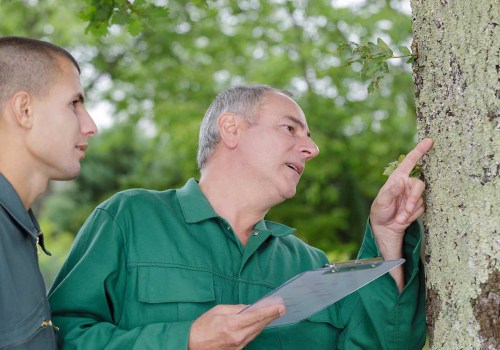
When it comes to ensuring the safety of your property and loved ones, professional tree assessments play a crucial role. Hiring a certified arborist for a thorough evaluation can help identify potential hazards that may not be immediately visible to the untrained eye. These experts are equipped with the knowledge and tools necessary to conduct a comprehensive tree risk assessment.A typical tree inspection involves several key steps:- Visual Inspection: The arborist will begin with a visual examination of the tree's overall health, looking for signs of disease, decay, or structural weaknesses.
- Root Assessment: Roots are critical for a tree's stability.
The arborist may assess the root system for damage or disease that could compromise the tree's integrity.
- Crown Evaluation: The crown of the tree is examined for dead or dying branches, which can pose a risk of falling.
- Site Conditions: Factors such as soil quality, drainage, and proximity to structures are evaluated to determine how they affect the tree's health and stability.
- The current health status of your trees.
- Potential risks associated with keeping certain trees.
- Recommendations for maintenance or removal if necessary.
When to Consider Tree Removal for Safety Reasons
When evaluating whether a tree poses a safety risk, several key indicators can guide your decision-making process. A tree risk assessment is essential in identifying these warning signs, which can help determine if removal is necessary.- Visible Damage: Look for cracks, splits, or large dead branches.
These physical damages can compromise the tree's structural integrity.
- Decay and Rot: If you notice soft spots or fungal growth at the base or trunk of the tree, it may indicate internal decay. This condition weakens the tree and increases the likelihood of failure.
- Leaning Trees: A tree that has begun to lean significantly may be at risk of falling, especially if the lean is accompanied by root exposure or soil erosion.
- Root Issues: Roots that are visibly damaged or compromised can lead to instability. If roots are exposed or have been damaged by construction or other activities, this could be a sign that the tree is at risk.
- Pest Infestation: Infestations from insects such as bark beetles can weaken trees. If you observe signs of pests, it’s crucial to assess the extent of the damage.
Trees that are too close to structures, power lines, or high-traffic areas pose a greater risk. If a tree is likely to cause damage to property or harm individuals in the event of failure, it may be time to consider removal. Ultimately, consulting with a certified arborist can provide valuable insights into whether a tree should be removed for safety reasons. They can conduct a thorough tree risk assessment, taking into account all factors including species, health, and environmental conditions.
FAQs About Tree Risk Assessment and Removal
When it comes to tree risk assessment, many homeowners have questions about the safety and health of their trees. Here are some frequently asked questions that can help clarify the process of assessing and potentially removing trees for safety reasons.What is a tree risk assessment?
A tree risk assessment is a systematic process used to evaluate the condition of a tree and its potential risk to people, property, and other trees.This assessment considers factors such as the tree's health, structural integrity, and location.
How do I know if my tree is at risk?
- Visible damage: Look for cracks, splits, or large dead branches.
- Fungal growth: Mushrooms or conks at the base may indicate decay.
- Leaning: A tree that leans significantly may be unstable.
- Root issues: Exposed roots or soil erosion around the base can signal problems.
What are common signs that a tree should be removed?
- Dead branches: If more than 50% of the tree is dead, removal is often recommended.
- Pest infestations: Severe infestations can compromise a tree's health.
- Proximity to structures: Trees too close to homes or power lines pose risks during storms.
Can I assess my own trees?
While homeowners can look for obvious signs of distress, it’s advisable to consult a certified arborist for a comprehensive tree risk assessment. Professionals have the training and tools necessary to identify hidden issues that may not be apparent to the untrained eye.What happens during a tree removal process?
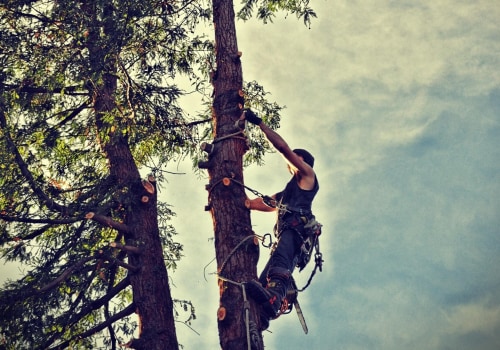
If a tree is deemed hazardous, a professional will typically follow these steps:- Assessment: Confirm the need for removal through a detailed evaluation.
- Planning: Develop a strategy for safe removal, considering surrounding structures.
- Execution: Carefully cut down the tree using appropriate techniques and equipment.
- Cleansing: Remove debris and assess the area for any further safety concerns.
Conclusion: Ensuring Safety Through Vigilance and Action
In conclusion, the safety of our surroundings is paramount, and tree risk assessment plays a crucial role in maintaining that safety. Regular evaluations of trees can help identify potential hazards before they escalate into serious problems.By being vigilant and proactive, property owners can mitigate risks associated with tree failure.Throughout this article, we have discussed various warning signs that indicate when a tree may pose a threat. These include:
- Visible decay or damage: Look for cracks, splits, or hollow areas in the trunk.
- Leaning trees: A tree that leans significantly may be at risk of falling.
- Dead branches: The presence of dead or dying branches can indicate overall tree health issues.
- Root problems: Exposed roots or root rot can compromise a tree's stability.
By prioritizing regular assessments and addressing any identified risks promptly, we can protect our homes, families, and communities from the dangers posed by hazardous trees. Stay informed and proactive to maintain a safe environment for everyone.