In the realm of urban planning and property management, tree risk assessment has emerged as a critical practice. This process involves evaluating the health and stability of trees to identify potential hazards that could pose risks to people, property, and infrastructure. As urban areas continue to expand, the presence of trees becomes increasingly significant, not only for their aesthetic value but also for their role in enhancing environmental quality. However, with these benefits come responsibilities, particularly concerning safety and liability. Understanding the implications of tree hazards is essential for property owners and managers.
A thorough tree risk assessment can help identify trees that may be at risk of failure due to disease, structural issues, or environmental stressors. By proactively addressing these risks, property owners can mitigate potential damage and ensure the safety of their premises. This is where the intersection of tree management and insurance comes into play. Insurance implications related to tree risks are often overlooked but can have significant consequences. In many cases, insurance policies may require property owners to conduct regular assessments to maintain coverage.
Failure to identify and manage hazardous trees could lead to liability claims in the event of an accident or damage caused by a falling tree. Therefore, understanding the nuances of tree risk assessment not only aids in safeguarding lives and property but also plays a pivotal role in navigating insurance requirements effectively.
What is a Tree Risk Assessment?
A tree risk assessment is a systematic process used to evaluate the potential hazards posed by trees in a given environment. This assessment aims to identify trees that may pose a risk to people, property, or infrastructure due to their condition, location, or species characteristics. By understanding these risks, property owners and managers can make informed decisions regarding tree management and maintenance.The primary purpose of a tree risk assessment is to mitigate potential dangers associated with tree failure.This includes assessing the likelihood of a tree or its parts falling and the potential consequences of such an event. The assessment helps in prioritizing which trees require immediate attention and which can be monitored over time.
Methodology of Tree Risk Assessment
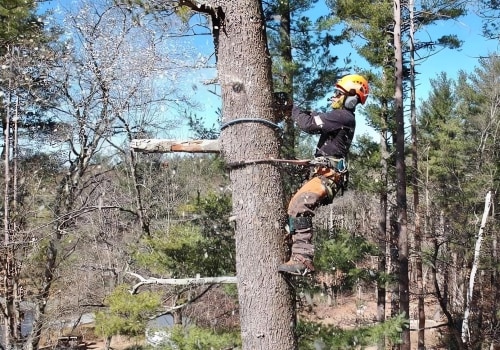
The methodology typically involves several key steps:- Visual Inspection: A qualified arborist conducts a thorough visual examination of the tree, looking for signs of decay, disease, or structural weaknesses.
- Risk Evaluation: The arborist evaluates the likelihood of failure and the potential impact on targets such as people or structures.
- Documentation: Findings are documented, often including photographs and detailed notes on the tree's condition and surrounding environment.
- Tree Species: Some species are more prone to certain diseases or structural failures than others.
- Tree Condition: Health indicators such as leaf color, bark integrity, and root stability are crucial in determining risk.
- Environmental Factors: Soil conditions, weather patterns, and proximity to targets all play a role in assessing risk.
The Importance of Tree Risk Assessments in Property Management
Tree risk assessments are essential for property management, as they help identify potential hazards that trees may pose to people and property. Conducting these assessments not only enhances safety but also mitigates liability risks associated with tree-related incidents.Understanding Tree Risks
- Structural Integrity: Trees can become unstable due to disease, pests, or environmental factors.
Regular assessments help detect these issues early.
- Proximity to Structures: Trees located near buildings, power lines, or walkways can pose significant risks if they fall or drop branches.
- Weather Vulnerability: Severe weather can exacerbate existing weaknesses in trees, making it crucial to assess their condition before storms.
- Enhanced Safety: By identifying hazardous trees, property managers can take proactive measures to protect residents and visitors.
- Liability Reduction: Regular assessments can demonstrate due diligence in maintaining safe environments, potentially reducing liability claims.
- Informed Decision-Making: Assessments provide valuable data that can guide tree maintenance and removal decisions, ensuring that resources are allocated effectively.
Insurance Implications of Tree Risks
Understanding the insurance implications of tree risks is crucial for property owners, especially in areas prone to severe weather or where large trees are present. A tree risk assessment can play a significant role in determining how insurance policies respond to potential claims related to tree damage.Many homeowners may not realize that their liability insurance can be affected by the condition of trees on their property.If a tree falls and causes damage to a neighbor's property or injures someone, the homeowner could be held liable. In such cases, having a recent tree risk assessment can provide evidence that the homeowner took reasonable steps to mitigate risks, potentially influencing the outcome of any claims.
Key Considerations for Insurance Coverage:
- Policy Exclusions: Some insurance policies may have exclusions related to tree damage, particularly if the tree was known to be hazardous prior to the incident.
- Maintenance Records: Keeping records of regular tree maintenance and assessments can help support claims and demonstrate due diligence.
- Replacement Costs: Homeowners should check if their policy covers the replacement costs of damaged trees, as not all policies include this coverage.
By understanding these implications, homeowners can better protect themselves from potential liabilities and ensure they have adequate coverage in place.
How Tree Risk Assessments Influence Insurance Premiums
Understanding how tree risk assessments can influence insurance premiums is crucial for property owners. Insurers often evaluate the potential risks associated with trees on a property, and the findings from a tree risk assessment can significantly impact the cost of coverage.Factors Affecting Insurance Rates
- Tree Condition: The health and stability of trees are primary considerations. Trees that are diseased, dead, or structurally compromised pose higher risks, leading to increased premiums.
- Proximity to Structures: Trees located near homes or other structures can cause significant damage if they fall. Insurers assess the distance and potential impact when determining rates.
- Local Weather Patterns: Areas prone to severe weather events, such as hurricanes or heavy snow, may see higher premiums due to the increased likelihood of tree-related incidents.
- Maintenance History: Regular maintenance and care of trees can mitigate risks.
Properties with documented tree care may benefit from lower premiums.
Risk Assessment Impact on Premiums
Insurers often use the data from tree risk assessments to categorize properties into different risk levels. A property with well-maintained trees and minimal risk may qualify for lower premiums, while one with high-risk trees could face substantial increases. Additionally, some insurance companies offer discounts for proactive measures taken by homeowners, such as conducting regular assessments and maintaining healthy trees.In conclusion, understanding the implications of tree risk assessments on insurance premiums is essential for homeowners.By addressing potential risks identified in these assessments, property owners can not only protect their assets but also potentially reduce their insurance costs.
Common Scenarios Leading to Insurance Claims Related to Trees
Understanding the insurance claims related to trees is crucial for homeowners and property managers alike. Various scenarios can lead to significant damage, prompting claims that may affect coverage and premiums.Fallen Trees Due to Storms
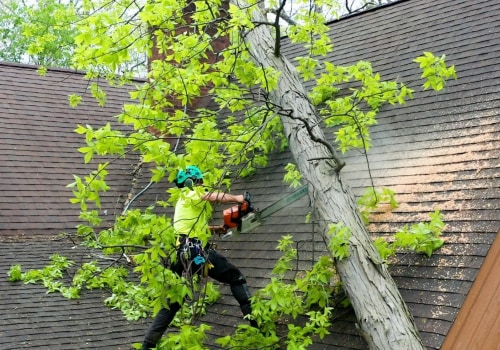
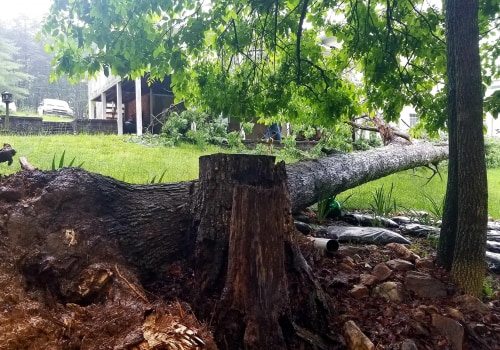
One of the most common scenarios involves trees falling during severe weather events. High winds, heavy rain, or snow can weaken tree structures, leading to falls that damage homes, vehicles, or other structures. For instance:- A large oak tree falls on a house during a hurricane, causing roof damage and interior flooding.
- A fallen branch from a tree damages a parked car during a thunderstorm.
Tree Root Damage
Another scenario involves tree root damage, which can lead to significant structural issues over time.Roots can invade sewer lines or foundations, causing costly repairs. For example:
- A homeowner discovers that tree roots have cracked their foundation, leading to water intrusion and mold growth.
- Roots from a neighbor's tree cause blockages in shared sewer lines, resulting in expensive plumbing repairs.
Injury Claims from Falling Debris
Injuries caused by falling branches or debris can also lead to insurance claims. If someone is injured on your property due to a tree-related incident, you may face liability claims. For instance:- A visitor is struck by a falling branch while walking through your yard.
- A child is injured when a tree limb breaks during playtime in a park.
FAQs About Tree Risk Assessments and Insurance Implications
When it comes to tree risk assessments, many homeowners and property managers have questions regarding their implications on insurance.Here are some frequently asked questions that can help clarify these concerns:
- What is a tree risk assessment?
A tree risk assessment is a systematic process used to evaluate the health and stability of trees. It identifies potential hazards that could lead to tree failure, which may pose risks to people and property. - How does a tree risk assessment affect my insurance policy?
Insurance companies may require a tree risk assessment to determine coverage for damages caused by falling trees or branches. If a tree is deemed hazardous, insurers might recommend removal or mitigation measures to avoid claims. - Will my insurance cover damage from a fallen tree?
Typically, homeowners insurance covers damage from fallen trees, but this can depend on the cause of the fall. If the tree was healthy and fell due to a storm, coverage is likely.However, if the tree was known to be at risk and no action was taken, claims may be denied.
- What should I do if my insurance company requests a tree risk assessment?
If your insurer requests an assessment, it’s important to comply promptly. Hire a certified arborist to conduct the evaluation and provide documentation of their findings. This can help ensure your coverage remains intact. - Can I be held liable for not addressing tree risks?
Yes, if a tree on your property causes damage or injury due to negligence in maintaining it, you could be held liable. Regular assessments can help mitigate this risk.
Conclusion: The Interplay Between Tree Risk Assessments and Insurance Coverage
In conclusion, understanding the relationship between tree risk assessments and insurance coverage is crucial for property owners and managers.As we have explored, a thorough tree risk assessment not only identifies potential hazards but also plays a significant role in determining insurance liabilities and coverage options. Insurance companies often require evidence of regular tree maintenance and risk assessments to mitigate their exposure to claims related to tree failures. By conducting these assessments, property owners can:
- Demonstrate due diligence: Regular assessments show that property owners are proactive in managing tree risks, which can positively influence insurance premiums.
- Identify potential liabilities: Understanding which trees pose risks allows for informed decisions about removal or maintenance, reducing the likelihood of accidents.
- Enhance safety: A well-maintained landscape not only protects property but also ensures the safety of individuals on or near the premises.