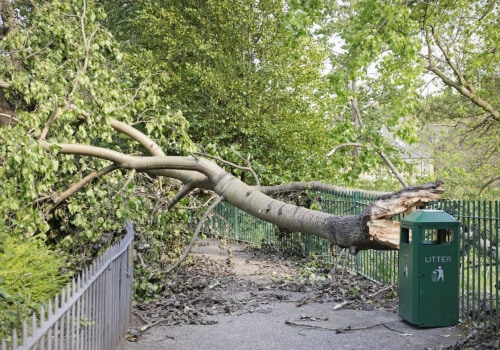
Understanding tree risk assessment is crucial for anyone responsible for maintaining green spaces, whether in residential areas, parks, or commercial properties. This process involves evaluating the health and stability of trees to identify potential hazards that could pose risks to people, property, and the environment. By conducting a thorough assessment, tree care professionals can pinpoint issues such as structural weaknesses, disease, or pest infestations that may compromise a tree's integrity. Proper tree maintenance and care play a pivotal role in mitigating these hazards. Regular inspections and timely interventions can significantly reduce the likelihood of tree failure.
For instance, pruning dead or overgrown branches not only enhances the aesthetic appeal of a tree but also minimizes the risk of falling limbs during storms. Additionally, addressing soil health and ensuring adequate watering can strengthen root systems, making trees more resilient against environmental stressors. As urbanization continues to expand, the importance of effective tree risk assessment becomes even more pronounced. With more people living in proximity to trees, the potential for accidents increases. Therefore, understanding how to assess and manage hazardous trees is essential for safeguarding communities.
This article will delve deeper into the methodologies of tree risk assessment and explore how proactive maintenance strategies can transform potentially dangerous trees into safe and thriving assets.
What is Tree Risk Assessment?
Tree risk assessment is a systematic process used to evaluate the potential hazards that trees may pose to people, property, and infrastructure. This assessment is crucial for ensuring safety in urban and rural environments where trees are prevalent. The primary goal of a tree risk assessment is to identify any defects or conditions that could lead to tree failure, thereby mitigating risks before they result in accidents or damage.The methodology of tree risk evaluation typically involves several key steps:- Visual Inspection: Arborists conduct a thorough visual examination of the tree, looking for signs of decay, structural weaknesses, or other indicators of potential failure.
- Assessment of Site Conditions: Factors such as soil quality, drainage, and proximity to structures are evaluated to understand how they may affect the tree's stability.
- Identification of Tree Species: Different species have varying levels of susceptibility to diseases and environmental stressors, which can influence their risk profile.
- Risk Rating: Based on the findings from the inspection and evaluation, a risk rating is assigned. This rating helps prioritize which trees require immediate attention or management.
Regular assessments help in:
- Preventing Accidents: By identifying hazardous trees before they fail, communities can prevent injuries and fatalities.
- Protecting Property: Assessments can help mitigate damage to homes, vehicles, and other structures caused by falling branches or uprooted trees.
- Enhancing Urban Planning: Understanding tree health contributes to better landscape management and urban forestry practices.
The Importance of Regular Tree Maintenance
Regular tree maintenance is crucial for ensuring the health and safety of trees in both urban and rural environments. By conducting tree risk assessments and implementing a consistent care routine, property owners can significantly reduce the risks associated with hazardous trees.Importance of Tree Maintenance
- Health Monitoring: Regular inspections allow for early detection of diseases, pests, or structural weaknesses that could compromise a tree's integrity.
- Safety Assurance: Trees that are well-maintained are less likely to pose hazards to people and property, especially during storms or high winds.
- Aesthetic Value: Proper care enhances the beauty of trees, contributing to the overall landscape and increasing property value.
Benefits of Tree Care
- Increased Longevity: Trees that receive regular care tend to live longer, providing benefits for generations.
- Improved Growth: Maintenance practices such as pruning and fertilization promote healthy growth and development.
- Environmental Impact: Healthy trees contribute to better air quality, provide shade, and support local wildlife.
Regular Tree Inspections
Conducting regular tree inspections is a proactive approach to tree care. These assessments should include:
- Checking for signs of disease or infestation.
- Evaluating the tree's structural stability.
- Assessing the surrounding environment for potential hazards.
Common Hazards Associated with Trees
Trees, while essential to our environment, can pose significant hazards if not properly maintained.Understanding the various tree hazards is crucial for effective tree risk assessment and management.One of the primary risks associated with trees is their structural integrity. Trees can develop weaknesses due to a variety of factors:
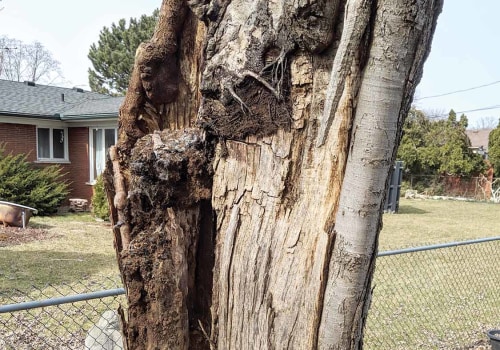
- Decay: Fungal infections can lead to internal rot, compromising the tree's strength.
- Cracks and splits: Physical damage from storms or improper pruning can create vulnerabilities.
- Root issues: Shallow or damaged roots can destabilize a tree, making it more susceptible to falling.
- Location: Trees situated near homes, roads, or playgrounds pose greater risks.
- Species: Certain species are more prone to diseases and structural failures.
- Health status: Trees suffering from diseases such as oak wilt or Dutch elm disease are at higher risk.
Regular inspections and maintenance can help mitigate these risks. Homeowners should be aware of the signs of tree distress, such as:
- Wilting leaves: This may indicate disease or insufficient water supply.
- Discoloration: Unusual leaf color can signal health issues.
- Pest infestations: Insects can weaken trees and make them more prone to failure.
Methods of Conducting a Tree Risk Assessment
Conducting a tree risk assessment is essential for identifying potential hazards and ensuring the safety of your property and its surroundings. Here are some effective methods to carry out a thorough assessment:Visual Inspection
The first step in a tree risk assessment is a detailed visual inspection.This involves examining the tree from various angles to identify any obvious signs of damage or decay. Look for:
- Cracks or splits in the trunk or branches
- Dead or dying branches, often referred to as "widowmakers"
- Fungal growth, which can indicate internal decay
- Leaning trees, which may suggest instability
Tree Health Assessment
A comprehensive health assessment is crucial for understanding the overall condition of the tree. This includes:- Checking foliage: Healthy leaves are typically vibrant and full, while discolored or sparse foliage can indicate stress.
- Root inspection: If possible, examine the root zone for signs of rot or damage.
- Pest and disease evaluation: Identifying any infestations or diseases early can prevent further deterioration.
Advanced Assessment Techniques
If initial inspections raise concerns, consider employing advanced techniques such as:- Resistograph testing: This method measures wood density to detect internal decay.
- Cavities and decay detection tools: Specialized equipment can help assess the extent of internal damage.
Best Practices for Tree Maintenance and Care
Maintaining trees is essential for minimizing hazards and ensuring their longevity.Implementing best practices for tree maintenance can significantly reduce risks associated with tree failure.
Pruning Techniques
Regular pruning is one of the most effective ways to maintain tree health and safety. Proper pruning helps to:- Remove dead or diseased branches that could fall and cause injury.
- Improve air circulation and sunlight penetration, promoting healthier growth.
- Shape the tree to prevent structural weaknesses.
Caring for Trees
Caring for trees goes beyond pruning. Regular inspections can help identify potential issues early.Look for signs of pests, disease, or structural problems. Additionally, consider the following:
- Watering: Ensure trees receive adequate water, especially during dry spells. Deep watering encourages strong root development.
- Mulching: Apply a layer of mulch around the base of the tree to retain moisture, suppress weeds, and regulate soil temperature.
Soil Health for Trees
The health of a tree is closely linked to the quality of its soil. Healthy soil promotes robust root systems, which are vital for stability and nutrient uptake.To enhance soil health:
- Test Soil: Conduct a soil test to determine pH and nutrient levels. Amend as necessary to create optimal conditions for growth.
- Aeration: Aerate compacted soil to improve root penetration and water absorption.
When to Seek Professional Help for Tree Risk Assessment
Understanding when to seek professional help for tree risk assessment is crucial for maintaining the safety and health of your landscape. While regular maintenance can mitigate many risks, certain situations warrant the expertise of a certified arborist.Signs You Need Professional Help
- Visible Damage: If you notice significant damage to a tree, such as large cracks, splits, or dead branches, it’s time to consult an expert. These issues can indicate structural weaknesses that may lead to failure.
- Unusual Growth Patterns: Trees that exhibit abnormal growth, such as leaning excessively or having uneven canopies, may be at risk.
An arborist can assess whether these changes are due to disease or environmental factors.
- Pest Infestation: The presence of pests like bark beetles or wood-boring insects can compromise a tree's integrity. If you suspect an infestation, a professional can evaluate the extent of the damage and recommend treatment options.
- Proximity to Structures: Trees located near homes, power lines, or other structures pose a higher risk. If you have concerns about a tree's potential to cause damage during storms or high winds, it’s wise to get a professional assessment.
- Health Decline: Signs of decline such as leaf discoloration, premature leaf drop, or fungal growth at the base of the tree indicate that professional intervention may be necessary.
When to Hire an Arborist
If you encounter any of the above signs or if you’re unsure about the health and stability of your trees, hiring a certified arborist is essential. These professionals are trained to conduct thorough tree risk assessments, identifying potential hazards and recommending appropriate care strategies.
Regular assessments can help prevent accidents and ensure that your trees remain healthy and safe for years to come.
FAQs About Tree Risk Assessment and Maintenance
When it comes to tree risk assessment, many homeowners have questions about how to effectively maintain their trees and reduce potential hazards. Here are some frequently asked questions that can help clarify the process:- What is a tree risk assessment? A tree risk assessment is a systematic process used to evaluate the health and stability of a tree. It identifies potential hazards, such as dead branches or root issues, that could pose risks to people or property.
- How often should I conduct a tree risk assessment? It is recommended to perform a tree risk assessment at least once a year, especially for older trees or those in high-traffic areas. Additionally, assessments should be conducted after severe weather events.
- What are common signs that my tree needs maintenance? Look for signs such as:
- Dead or dying branches
- Cracks in the trunk
- Fungal growth at the base
- Leaning or unstable posture
- How can I maintain healthy trees? Regular maintenance is key to keeping trees healthy.
Here are some tips:
- Pruning: Regularly prune dead or diseased branches to promote healthy growth.
- Watering: Ensure your trees receive adequate water, especially during dry spells.
- Pest control: Monitor for pests and diseases, and take action promptly if issues arise.
- Mulching: Apply mulch around the base of the tree to retain moisture and suppress weeds.
- Should I hire a professional for tree risk assessment? While some basic assessments can be done by homeowners, hiring a certified arborist is advisable for a thorough evaluation. Professionals have the expertise to identify hidden risks and recommend appropriate actions.
Conclusion: The Role of Maintenance in Reducing Tree Hazards
In conclusion, the maintenance and care of trees play a pivotal role in mitigating risks associated with hazardous trees. Through regular tree risk assessments, property owners and arborists can identify potential hazards before they escalate into serious issues. This proactive approach not only enhances the safety of the surrounding environment but also promotes the health and longevity of the trees themselves.Key strategies for effective tree maintenance include:- Regular Inspections: Conducting routine inspections allows for early detection of diseases, pests, or structural weaknesses that could pose risks.
- Pruning: Proper pruning techniques help to remove dead or weak branches, reducing the likelihood of falling limbs during storms or high winds.
- Soil Management: Ensuring that trees have access to adequate nutrients and water can strengthen their root systems, making them more resilient against environmental stressors.
- Professional Care: Engaging certified arborists for specialized care ensures that trees receive expert attention tailored to their specific needs.
By understanding the signs of tree distress and the importance of maintenance, homeowners can contribute to a safer environment for themselves and their neighbors.Ultimately, while trees are invaluable assets to our landscapes, they require diligent care to minimize hazards. By prioritizing maintenance and conducting regular assessments, we can enjoy the beauty and benefits of trees while significantly reducing the risks they may pose.