Trees are valuable assets to residential and commercial properties, providing shade, beauty, environmental benefits, and increased curb appeal. While most property owners appreciate the visible advantages of healthy trees, far fewer recognize the impact that tree growth can have on underground plumbing systems. Beneath the surface, tree roots continuously search for water, nutrients, and oxygen, often extending far beyond the tree’s canopy. This natural growth process can bring roots into close proximity with water lines, sewer pipes, drainage systems, and other underground utilities. Over time, these interactions may lead to blockages, pipe damage, drainage issues, and expensive repairs. One of the most effective ways to identify and reduce these risks before problems develop is through a professional tree risk assessment. Although commonly associated with evaluating tree safety and structural stability, these assessments can also provide valuable insight into conditions that may threaten underground plumbing infrastructure.
Tree Risk Assessments Reveal Potential Underground Concerns
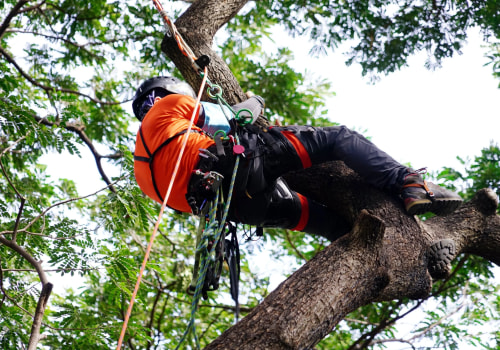
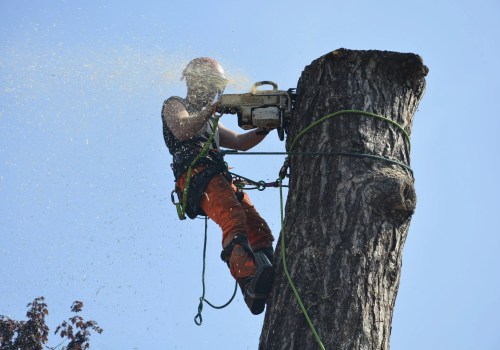
A tree risk assessment involves a comprehensive evaluation of a tree’s health, structure, growth patterns, and surrounding environment. Arborists conducting these assessments often examine factors such as root development, soil conditions, tree species characteristics, and proximity to structures or utilities. While the primary goal is often to identify risks related to falling limbs or tree failure, the process can also uncover warning signs that suggest potential conflicts with underground plumbing systems. For example, aggressive root growth near utility corridors, unusual soil movement, or signs of excessive moisture may indicate conditions that warrant further investigation. Identifying these issues early allows property owners to address concerns before roots cause significant damage to underground infrastructure.
Why Roots Are Drawn to Plumbing Systems
Tree roots are not typically attracted to intact pipes themselves but rather to the moisture that may escape through small cracks, loose joints, or aging plumbing connections. Even minor leaks can create a moisture-rich environment that encourages root growth toward underground pipes. Once roots locate a reliable water source, they may continue expanding around or into vulnerable sections of plumbing infrastructure. Over time, this growth can restrict flow, create obstructions, and increase pressure on pipes. Because these developments occur gradually beneath the ground, property owners may remain unaware of the problem until drainage issues, sewer backups, or water loss become noticeable. Tree risk assessments help identify situations where root activity may be increasing the likelihood of future plumbing complications.
Preventive Action Saves Time and Money
One of the greatest benefits of tree risk assessments is the opportunity to take preventive action before expensive repairs become necessary. If arborists identify root systems that may threaten plumbing infrastructure, property owners can explore options such as root management, targeted pruning, barrier installation, or strategic landscaping adjustments. In some cases, further inspections of nearby plumbing systems may be recommended to confirm whether roots have already affected underground pipes. Addressing these concerns early is typically far less expensive than repairing collapsed sewer lines, excavating damaged pipes, or dealing with extensive water damage resulting from hidden plumbing failures.
Collaboration Between Arborists and Plumbing Professionals
Effective property maintenance often requires cooperation between multiple specialists. Arborists provide expertise regarding tree health and root behavior, while plumbing professionals can evaluate the condition of underground infrastructure and identify vulnerabilities. Companies such as Brightwater Plumbing Oviedo frequently encounter plumbing issues that are linked to root intrusion and changing soil conditions around mature trees. By combining the insights of both professions, property owners gain a more complete understanding of potential risks and can make informed decisions about protecting their landscapes and utility systems.
Protecting Long-Term Property Value
Ultimately, tree risk assessments offer benefits that extend far beyond tree preservation and safety. They serve as a proactive tool for identifying hidden threats that may affect essential plumbing infrastructure. By recognizing root-related risks early and taking appropriate preventive measures, property owners can reduce the likelihood of costly repairs, maintain reliable utility performance, and preserve the long-term value of their property. This comprehensive approach helps ensure that both trees and plumbing systems can coexist successfully for years to come.